Category Archives: Finished Drafts Ready for Posting

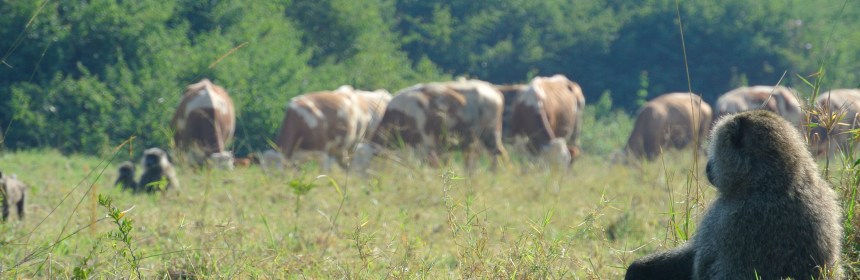
Photo: Baboons and Cattle

During my summer in Rwanda, I spent most of my time quite literally at the interface between humans, wildlife (i.e. baboons) and domestic species (i.e. cattle). Because Rwanda suffers from severe overpopulation, virtually all of their “wild” places are in close proximity to human settlements. I saw this as a sort of glimpse into the future of the rest of the world, if the human

Read more

Field Experience – Where Do I Start?

Entering into primatology as young student with minimal experience and education can be confusing. You need field experience to get into graduate school. The lists of volunteer work and internships can be overwhelming. I am providing some information that I felt would have been helpful to me when looking for experience. Where exactly do you start? Through my personal experience

Read more

Pet Training: Art or Science?

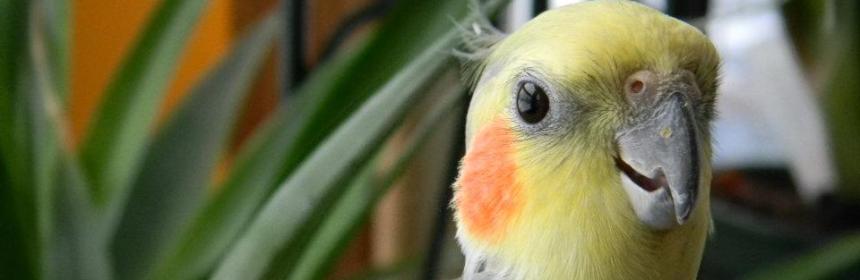
Art or Science? Animal training is a little bit of both. Timing and communication flow together with basic laws of behavior and form actions. Before we get into the specific behaviors we ask our pets, we should first learn how to train them. Positive reinforcement is associated with : negative reinforcement, positive punishment and negative punishment. It is not important

Read more

What is Environmental Education?

What is Environmental Education? This is a question I am often asked when I identify myself as an “Environmental Educator.” More often than not, less informed people equate it with “tree hugger,” or “hippie.” Those stereotypes are only a couple labels that could potentially fall under the large umbrella that is environmental education, also known as EE. The Definition The

Read more

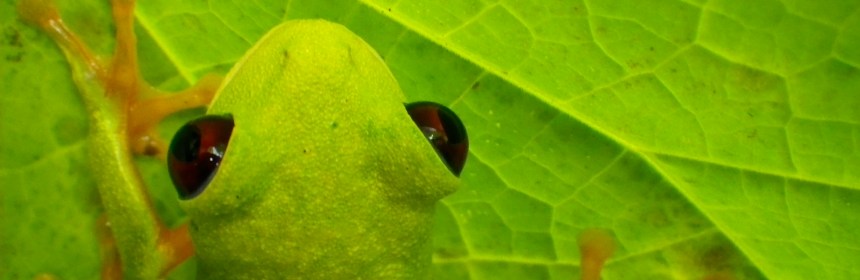
Photo: Red- Eyed Tree Frog

A tree frog hanging out-literally- on the underside of a leaf at Hacienda Baru Wildlife Refuge, Costa Rica. These frogs are an iconic symbol of rainforest biodiversity, and their friendly, charismatic faces make them much more relatable than your average amphibian. Although IUCN does not currently consider them “endangered,” like all other neotropical species they are losing their habitat at

Read more
« Older Entries Recent Entries »