Tag Archives: Costa Rica

Botanical illustration: Hylocereus costaricensis, the Costa Rican dragon fruit
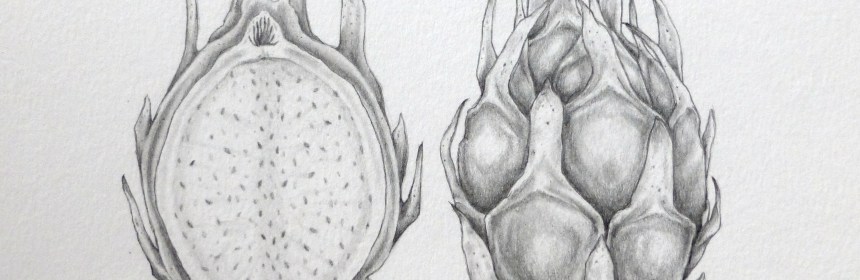
The above drawing shows the lovely fruit of the cactus Hylocereus costaricensis, or the Costa Rican Pitahaya. This fruit is known as “dragon fruit” to most, but the term “dragon fruit” applies to a variety of cacti within the genera Hylocereus and Stenocereus, both genera of night-blooming cacti native to South America. Fruit from Stenocereus cacti tend to be called

Read more


Primate Connections 2015 Calendars

Primate Connections 2015 Calendars Now Available! What fundraising project brings together 13 primate conservation organizations, four independent wildlife photographers, three primate conservation societies, two zoos, and half a dozen youth organizations, all in the name of primate conservation? The 2015 Primate Connections calendar, of course! Click here to view the calendar. Yes, that’s right. The 2015 Primate Connections Calendar Project

Read more

DANTA Welcomes Dr. William C. McGrew

DANTA is thrilled to announce that Dr. William C. McGrew will lecture in our summer 2015 Primate Behavior and Conservation course in the spectacular Osa Peninsula, Costa Rica. Course dates are June 15 – July 10, 2015. For more information out our tropical biology training programs, please visit our website and/or email us at conservation@danta.info. William C. McGrew is Emeritus

Read more

Field Experience – Where Do I Start?

Entering into primatology as young student with minimal experience and education can be confusing. You need field experience to get into graduate school. The lists of volunteer work and internships can be overwhelming. I am providing some information that I felt would have been helpful to me when looking for experience. Where exactly do you start? Through my personal experience

Read more

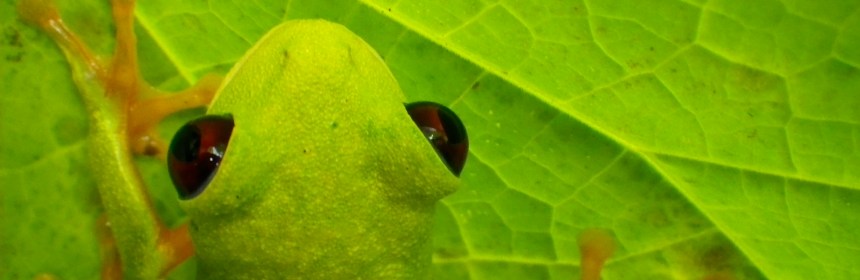
Photo: Red- Eyed Tree Frog

A tree frog hanging out-literally- on the underside of a leaf at Hacienda Baru Wildlife Refuge, Costa Rica. These frogs are an iconic symbol of rainforest biodiversity, and their friendly, charismatic faces make them much more relatable than your average amphibian. Although IUCN does not currently consider them “endangered,” like all other neotropical species they are losing their habitat at

Read more
Recent Entries »