New Course Offering: Neotropical Bat Biology
New Course Offering: Neotropical Bat Biology.
Read more
New Course Offering: Neotropical Bat Biology.
Read more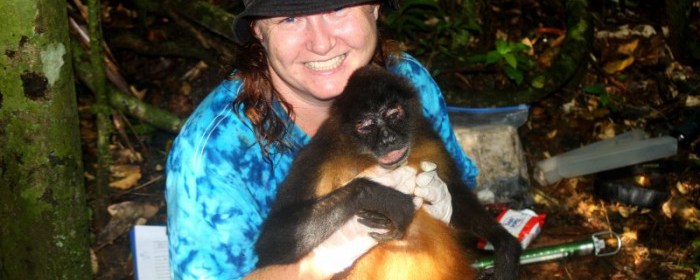
DANTA is delighted to announce that Dr. Christina Campbell will guest lecture in our summer 2016 Primate Behavior and Conservation course to be held in the spectacular Osa Peninsula, Costa Rica. Course dates are June 15-July 10, 2016. For more information about our training programs, please visit http://www.danta.info and/or email us at conservation@danta.info. Hope to see you in Costa Rica!
Read more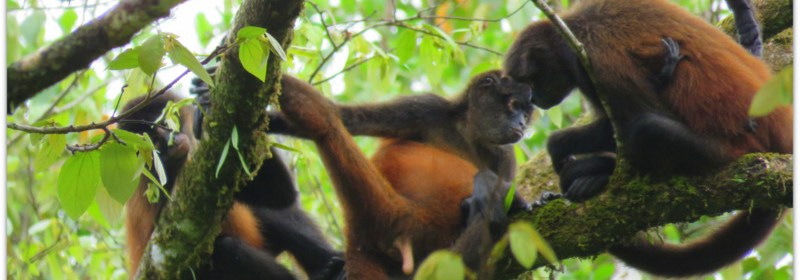
Methods in Primate Behavior and Conservation Dates: Summer Session: July 13 – July 28, 2018 Application deadline: Summer Session: June 15, 2018 Program fee: $2600 Location: Osa Conservation, Osa Peninsula, Costa Rica Contact: Visit our website and/or email us at conservation@danta.info for more information Course Description This course is designed to provide students with field experience in primate behavior, ecology,
Read more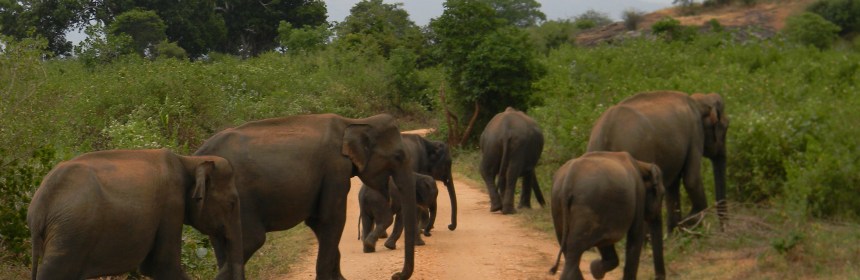
By Lisa Barrett This summer, one of my goals as a 1st year Ph.D. student was to determine if I wanted to do work with wild Asian elephants. My dissertation will look at personality and problem-solving in elephants, and it is an extension of my work with Think Elephants International in Thailand. After months of planning and discussing with my
Read more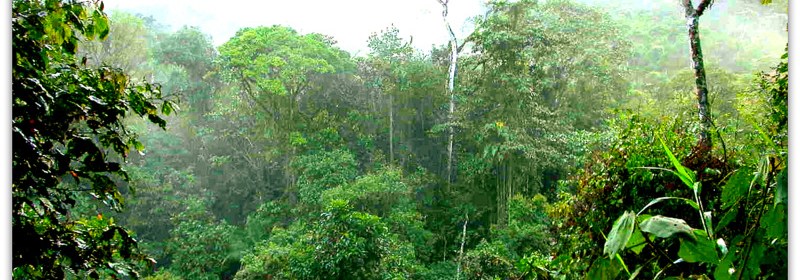
Human Ecology and Tropical Conservation Dates: June 27 – July 10, 2016 Application deadline: May 15, 2016 Program fee: $2300 Instructor: Dr. Janette Wallis Location: Piro Research Station, Osa Peninsula, Costa Rica Course Description This short course is designed to provide students with field experience in a great tropical setting, with an emphasis on current efforts to conserve tropical wildlife and their habitats. As
Read more
Many economists and politicians speculate about the merits of free trade and fair trade. Although both approaches are focused on a comprehensive plan for commercial activity, they are founded by very different perspectives. Free trade is focused on breaking down barriers between countries and removing preferential policies that favor specific countries or industries. Free traders believe that a business should
Read more
Each year DANTA offers a number of training courses in various aspects of tropical biology. Typically, the courses are one month long but shorter courses are also offered through our organization. The courses are intended for undergraduates or early graduate level students who have a keen interest in tropical biology and conservation, but have little or no experience of working
Read moreA Quick Refresher of Species Concepts: 1. Biological Species Concept (Mayr) A species = “A group of actually or potentially interbreeding natural populations which are reproductively isolated from other such groups” (Source) Advantages: – Objective, testable criteria Disadvantages: – Applies to only sexually-reproducing species – Hard to test for populations that don’t overlap (i.e. islands) – Messy when species hybridize
Read more
DANTA is delighted to announce a new course offering for winter 2016! Birds of Costa Rica will be held from January 1-15, 2016 at Osa Conservation‘s Piro Research Station in Costa Rica’s spectacular Osa peninsula. As the one of the largest tracts of rain forest north of the Amazon (roughly 400,000 acres in the Osa Conservation Area), it is renowned for high species
Read more
Olive Ridley Sea Turtle Lepidochelys olivacea Taxonomy Kingdom: Animalia Phylum: Chordata Class: Reptilia Order: Testudines Family: Cheloniidae Genus: Lepidochelys Species: L. olivacea Overview An adult Olive Ridley Sea Turtle weighs around 100 pounds and is 22-31 inches long, while hatchlings weigh less than 1 ounce and are on average 1.5 inches long (NOAA, 2014). They spend most of their time at
Read more DANTAisms