
DANTA Conservation and Sustainability Course in Costa Rica
Dates: December 27 – January 10, 2024
Registration Deadline: December 1, 2023
Instructor: Dr. Beatriz Lopez
Each year DANTA offers a number of training courses in various aspects of tropical biology. Typically, the courses are one month long but shorter courses are also offered through our organization. The courses are intended for undergraduates or early graduate level students who have a keen interest in tropical biology and conservation but have little or no experience of working in a tropical environment. Non-students are also welcome to participate.
For more information, please visit our website and/or contact us at conservation@danta.email.
Download our Course Information Packet.
Course Description
Natural resource management by indigenous communities and smallholders has gained momentum as a
viable strategy for conserving ecosystems while supporting local livelihoods and cultural values. This
course examines how local people conserve their natural resources and their challenges in pursuing
sustainability (i.e. maintaining ecological and environmental health, creating economic welfare, and seeking
social justice). The course is designed to provide students with practical experience in a range of surveying
techniques including terrestrial methods to measure bio-indicator species such as key predators, as well as
social surveying methods and participatory management approaches to encourage community member
participation and stakeholder involvement. Students will also gain a better understanding of the principles of
ethnobotany, sustainable development, fair commerce, defaunation, and community-based management.
The course includes four learning experience categories: field exercises, seminars, lectures, and applied
conservation.
The field exercises and seminars offer instruction and experience on different methods of data collection,
management, and analysis; for example, social and participatory approaches such as questionnaires,
interviews, resource or social maps, timelines, and diagrams, as well as terrestrial surveying techniques
including mammal tracking and camera trapping or GPS navigation. Lectures cover indigenous people’s
culture, natural resource management, and socio-economic development, mainly focused on the Borucas
Tribe, as well as ecology and socio-economic and anthropogenic impacts related to selected bio-indicator
groups in this region of Costa Rica. Selected lecture topics include ecology, taxonomy, and conservation of
medium-large vertebrates, as well as effects of anthropogenic impacts on population dynamics or
defaunation. Topics on community-based management, participatory methods, and socioeconomic impact
on both conservation and the development of sustainable livelihoods for local and indigenous communities
are also included. Students also gain experience in community engagement, outreach, and education through
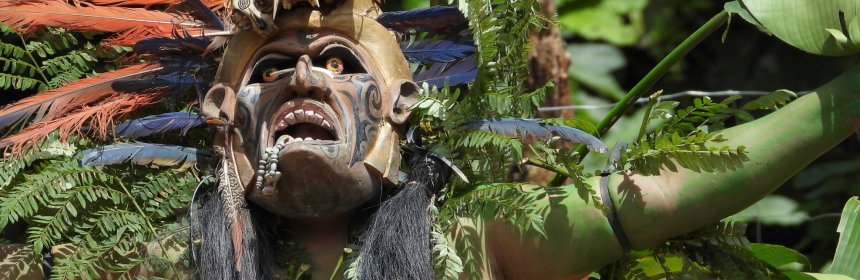
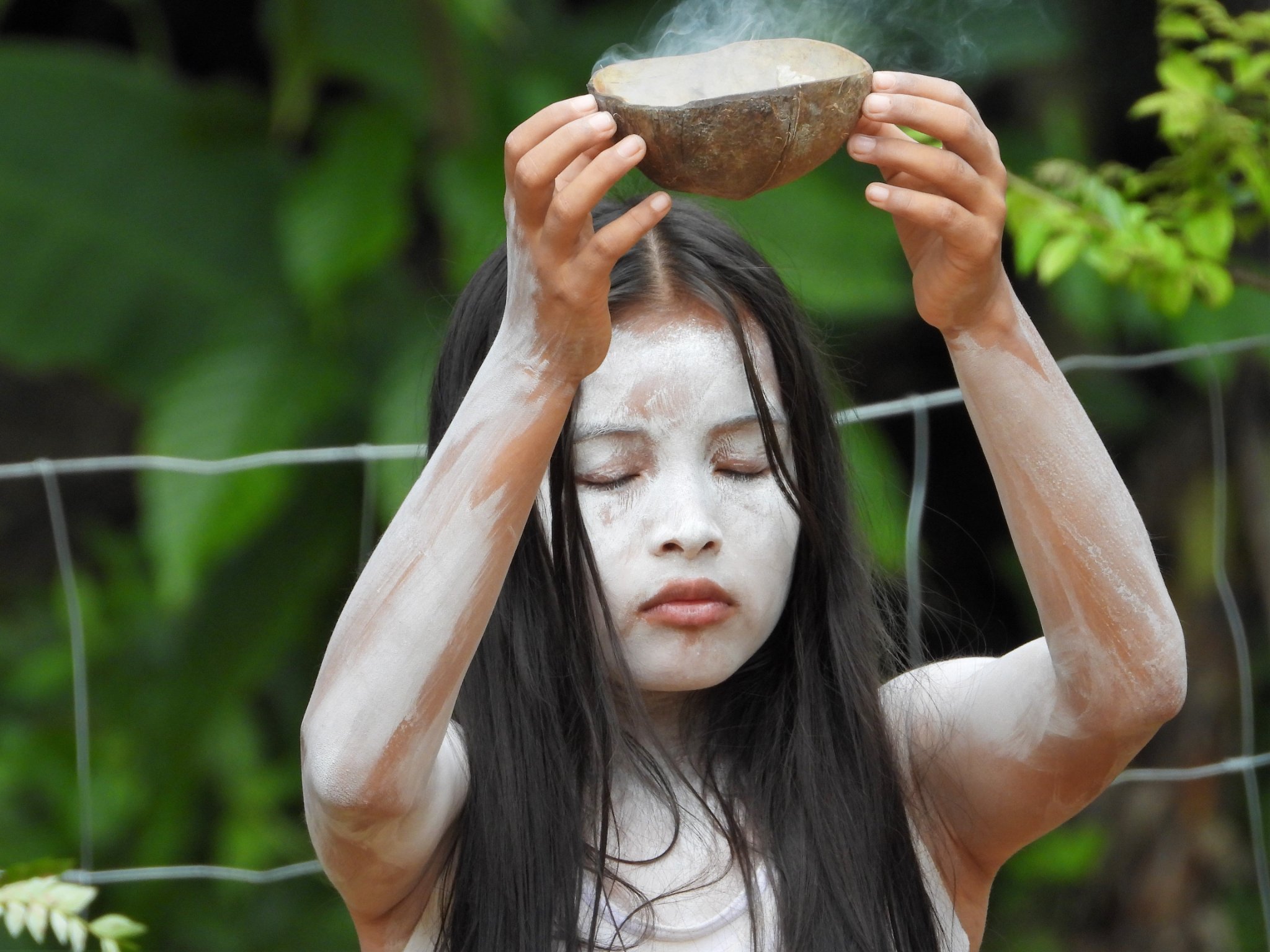
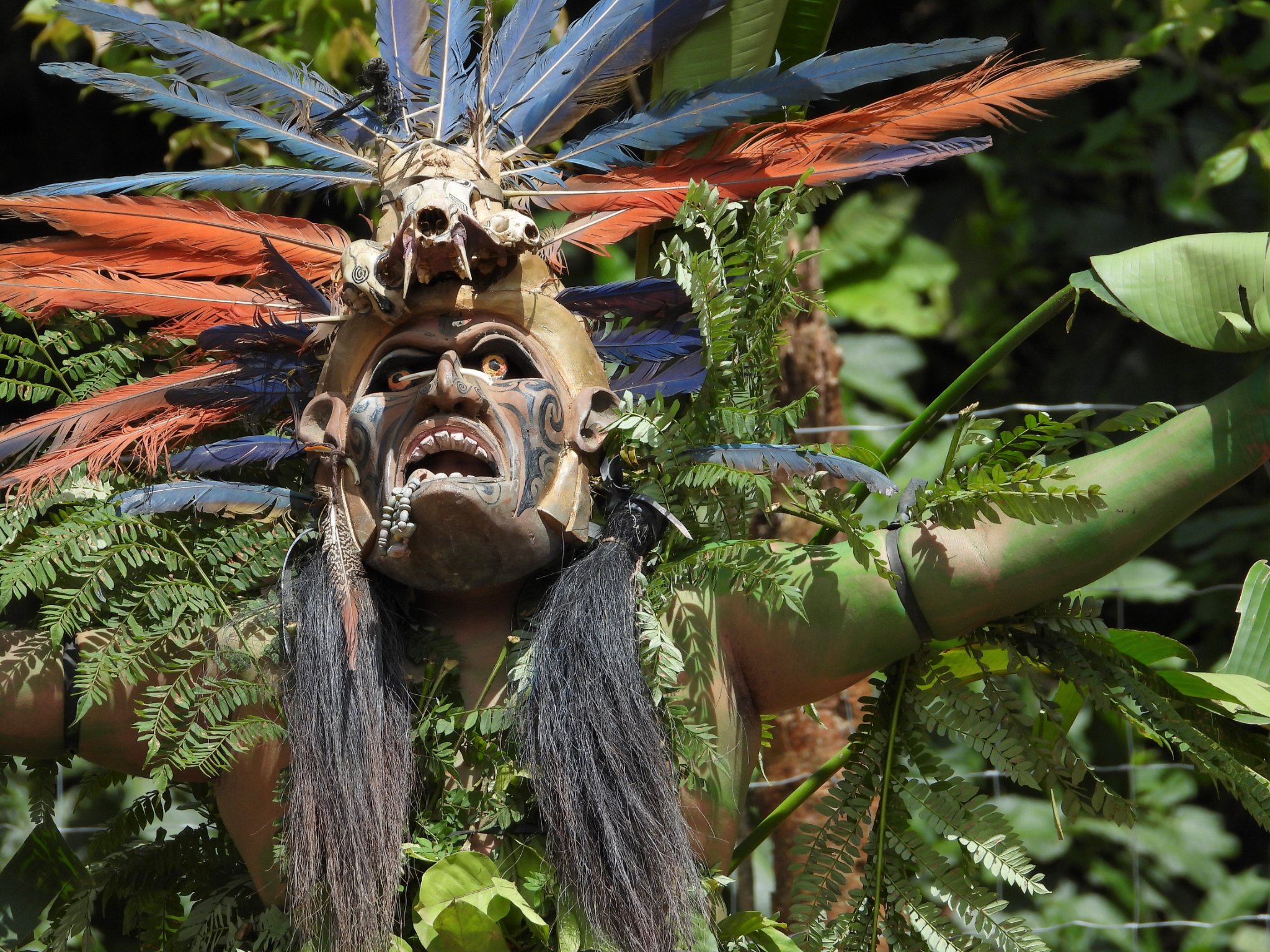
activities at the Boruca Village such as the traditional mask painting workshop, the medicinal plant talk and
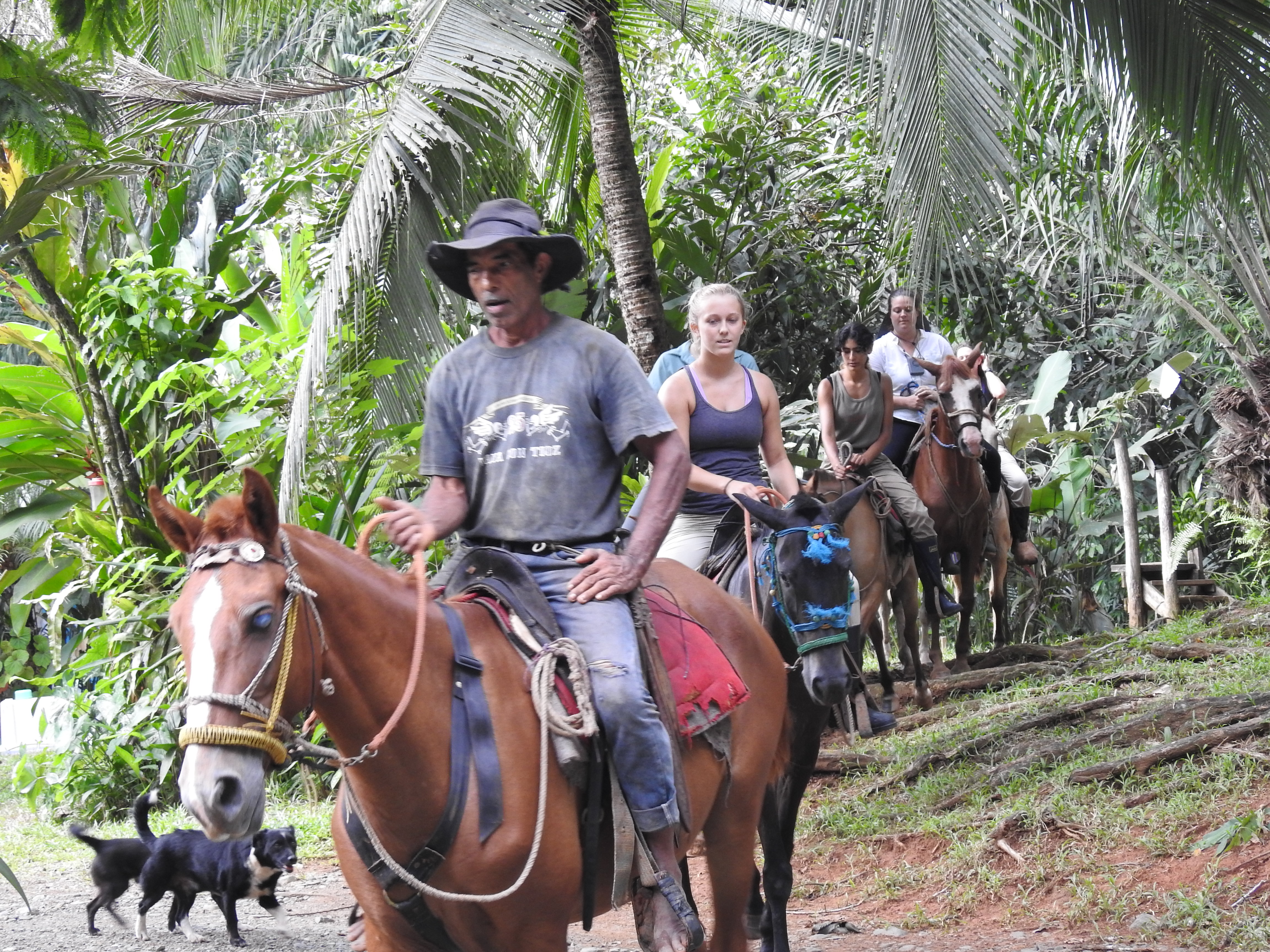
walk, or folklore exhibition, as well as visiting Piro Ranch owned by Don Miguel Sanchez, one of the
remaining few ranchers in the Osa Peninsula.
 DANTAisms